Biology and Morphology
Biology and Morphology of the Aedes Mosquito and dengue fever
Aedes news
Dengue fever
Biology and Morphology
Welcome to the Knowledge and Information Page
Education Highlights
A brief introduction and scientific information about the characteristics of the dengue virus and the Aedes mosquito for basic user awareness on the website
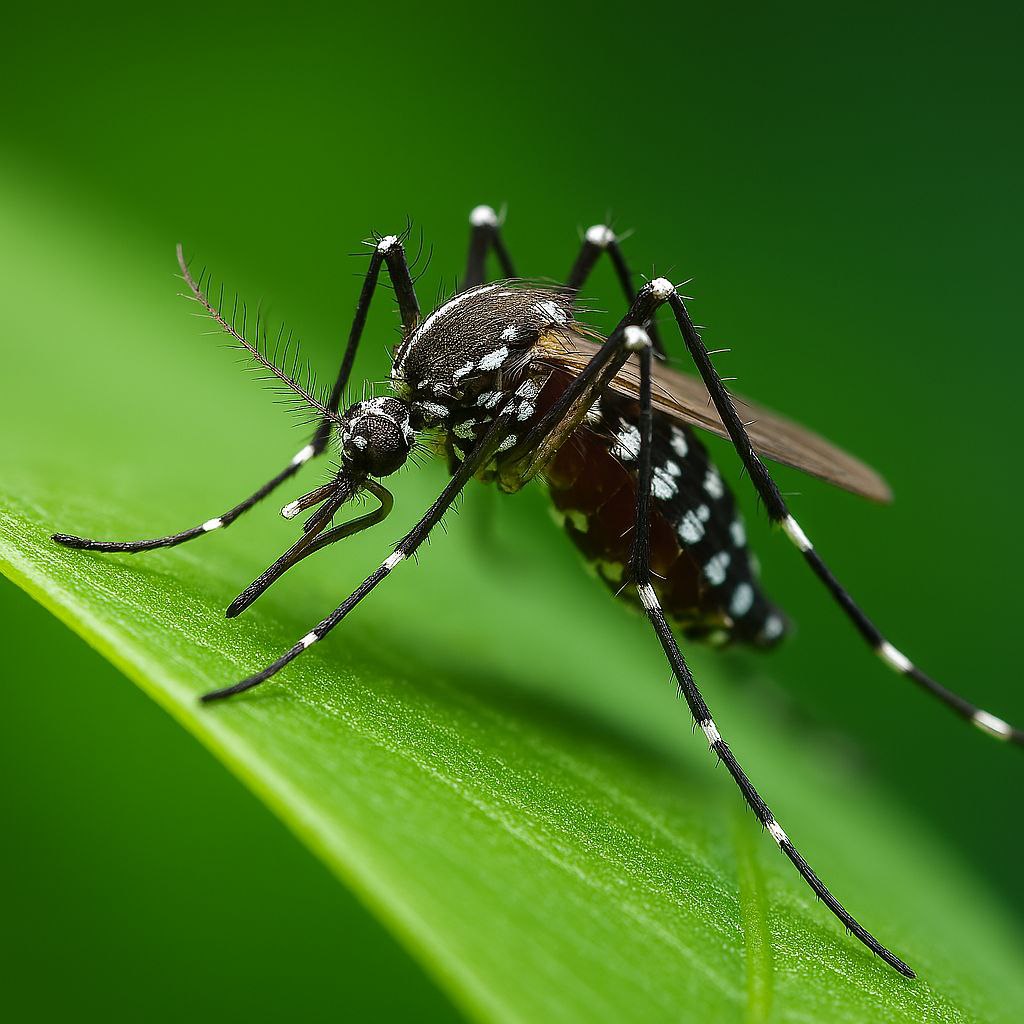
Biology & Morphology of the Aedes Mosquito
The Aedes mosquito is a small but powerful vector, easily identified by its black-and-white markings. Its life cycle—egg, larva, pupa, and adult—shows remarkable adaptability to urban environments. Eggs can survive for months in dry conditions, making eradication difficult and allowing the species to persist in cities like Tehran.
Morphologically, Aedes is an aggressive daytime biter. Unlike other mosquitoes, it feeds multiple times in one cycle, increasing the risk of dengue fever transmission. Its specialized mouthparts pierce human skin quickly, while its small size makes detection harder. These biological traits explain why Aedes is considered one of the most dangerous vectors worldwide.
Meta description: Discover the biology and morphology of the Aedes mosquito, the main vector of dengue fever in Tehran
-
scroll up
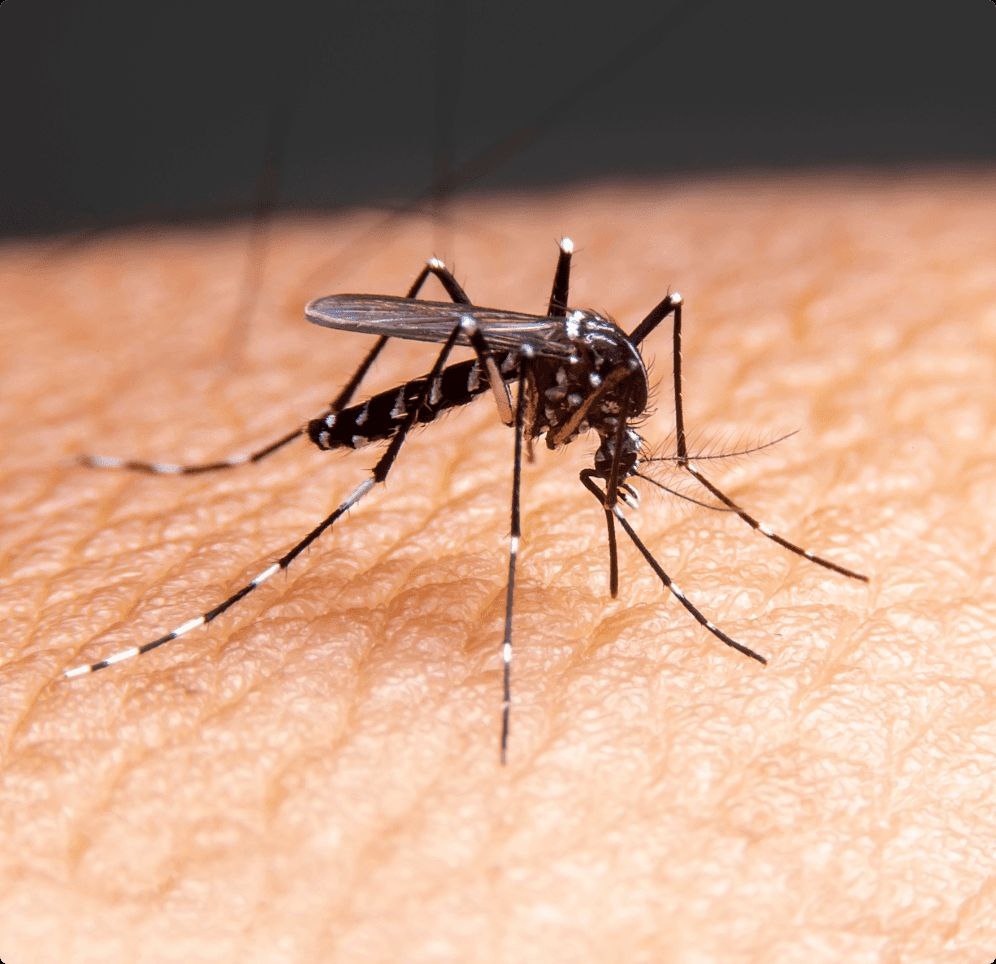
Ecology & Epidemiology of Dengue Fever
Ecologically, the Aedes mosquito thrives in human-made habitats such as buckets, tires, and flower pots. Rapid urbanization and climate change have expanded its ecological niche, allowing Aedes to spread globally. In Tehran, its presence in densely populated districts highlights the urgent need for vector surveillance.
Epidemiologically, Aedes is the primary vector of dengue fever, a disease affecting millions each year. Outbreaks occur where mosquito control is limited and population density is high. Understanding the link between vector density, virus serotypes, and human immunity is essential for predicting dengue outbreaks and designing effective public health strategies.
Meta description: Learn how Aedes ecology and dengue epidemiology shape outbreaks in Tehran and other urban centers
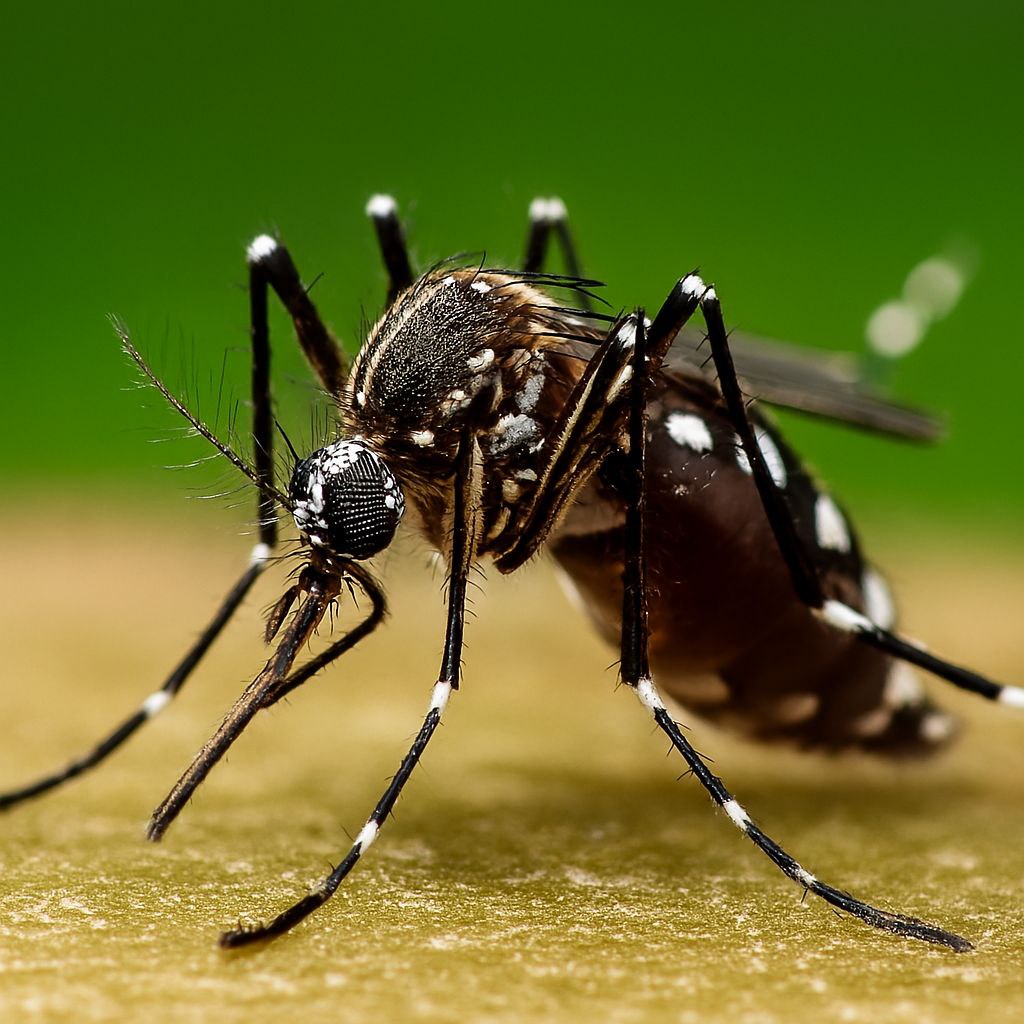
Control & Prevention of Aedes Mosquito
Effective vector control requires eliminating breeding sites and engaging communities. Removing stagnant water, covering containers, and proper waste disposal are critical steps. Insecticides can reduce adult populations, but resistance is a growing challenge, making integrated vector management essential.
Prevention also depends on education and awareness. Public health campaigns in Tehran emphasize protective measures such as repellents and mosquito nets. Experts like Professor Mousa Kazemi Mohammadi and healthcare teams highlight the importance of continuous monitoring and proactive communication to stop the spread of dengue fever and protect urban populations.
Meta description: Explore strategies for Aedes mosquito control and dengue prevention through education, monitoring, and community action

Virology & Structure of the Dengue Virus
The dengue virus (DENV) is an RNA virus belonging to the Flaviviridae family, with four distinct serotypes (DENV-1 to DENV-4). Each serotype can cause infection, and immunity to one does not protect against the others, which complicates prevention strategies. The virus is spherical in shape, with surface proteins such as the envelope (E) protein playing a critical role in cell entry and immune response.
Structurally, the dengue virus is designed for efficiency. Its compact genome encodes proteins that enable replication inside host cells, while its outer layer facilitates attachment to human immune cells. This structure explains why dengue is so persistent in regions where the Aedes mosquito thrives, including urban centers like Tehran.
Meta description: Learn about the virology and structure of the dengue virus, the main threat spread by Aedes mosquitoe

Pathogenesis & Clinical Impact
The pathogenesis of dengue fever begins when the virus enters the bloodstream through the bite of an infected Aedes mosquito. It targets immune cells, replicates rapidly, and triggers an inflammatory response. This process leads to the classic symptoms of dengue fever: high fever, severe headache, muscle and joint pain, and rash. In severe cases, the disease progresses to dengue hemorrhagic fever or dengue shock syndrome, which can be fatal without proper medical care.
Clinically, dengue fever is a major public health challenge. Millions of cases occur worldwide each year, with outbreaks often concentrated in densely populated cities. In Tehran, the risk of dengue is closely tied to the presence of Aedes mosquitoes and the difficulty of controlling their breeding sites. Understanding the clinical impact of dengue is essential for healthcare professionals and communities to prepare for potential outbreaks.
Meta description: Explore how dengue virus causes disease, its clinical symptoms, and its impact on public health

Prevention & Treatment
Currently, there is no specific antiviral treatment for dengue virus infection. Supportive care, including hydration and monitoring for complications, remains the cornerstone of management. Vaccines such as Dengvaxia have been developed, but their use is limited due to safety concerns and varying effectiveness across different populations. This makes vector control—reducing Aedes mosquito populations—the most effective prevention strategy.
Prevention efforts focus on eliminating breeding sites, raising public awareness, and promoting protective measures such as repellents and mosquito nets. In Tehran, healthcare experts like Professor Mousa Kazemi Mohammadi emphasize the importance of community engagement and continuous monitoring. Their work highlights that controlling the Aedes mosquito is not only about reducing nuisance bites but also about preventing the spread of the dengue virus and protecting urban populations.
Meta description: Discover prevention and treatment strategies for dengue virus, from supportive care to vector control in Tehran.
Ask us your questions about the dengue fever virus and the Aedes mosquito
Articles by Dr. Hassan Musa Kazemi Mohammadi